
- Digital
- Culture
- Sports
- Créativité
- Digital
- Culture
- Sports
- Créativité
PolitiqueCulture Fair Break Razor Comes Back Slot Culture in United Kingdom
MANFE TAMETANG RUFANE30 septembre 20264 Mins read

As we analyze the comeback of Art Fair Break Razor, it’s crucial to address the implications it has for the ingrained slot culture within the UK art scene. This fair challenges the market-driven focus that often overshadow artistic merit. By highlighting emerging artists, it paves the way for new dialogues and representations. But what does this mean for the future of inclusion and fairness in art? Let’s explore the potential ramifications together.
Key Points
- Art Fair Break Razor challenges the limiting slot culture common in the UK art scene by promoting diverse, marginalized voices.
- The fair encourages inclusive art discourse, pushing back against exclusivity and market-driven art prioritization in conventional exhibitions.
- By highlighting emerging artists, the fair highlights creativity and originality, opposing the pigeonholing of talent into niche segments.
- Inclusivity at the fair tackles physical and mental accessibility, guaranteeing wider involvement and engagement from all community members.
- Community collaborations boost the fair’s impact, promoting authentic involvement while avoiding symbolism in collaborations and outreach initiatives.
The Significance of Art Fair Break Razor
As we traverse the dynamic terrain of the UK art world, the introduction of art fair break razor offers a crucial change, questioning traditional norms. This movement pushes the boundaries of what art fairs can represent, re-evaluating their established roles. By featuring different, underrepresented voices, we’re not just seeing a change in programming; we’re witnessing a wider cultural impact. The value of this art fair lies in its dedication to inclusivity, which challenges elitism and fosters a more equitable art discourse. It introduces pressing discussions to the center, encouraging us to re-evaluate how art interacts with society. As we participate in this shift, we’re cognizant of art’s power to provoke, inspire, and initiate substantial change within our cultural framework.
Understanding Slot Culture in Contemporary Art
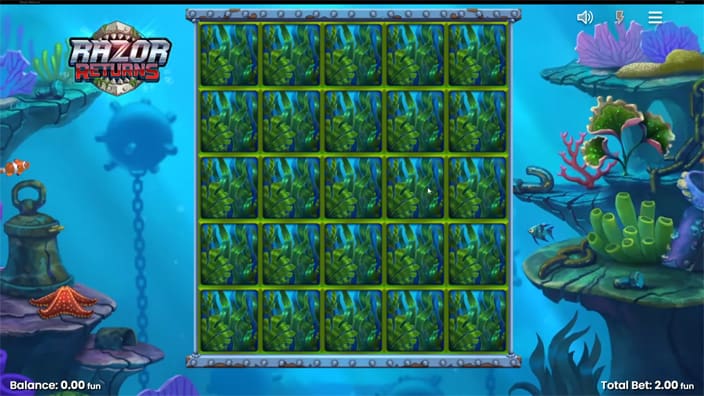
In contemporary art, Razor Returns, slot culture emerges in various ways, often defining how artists, galleries, and institutions interact within the creative sphere. Slot theory helps us comprehend this concept, unveiling how distinct cultural settings impact artistic exhibition and audience involvement. We can recognize key elements that shape our understanding of art today:
- The emphasis of commercial appeal over creativity.
- The propensity to categorize artists into specific genres.
- The impact of tiered structures on exhibition chances.
Highlighting Emerging Artists at the Fair
While specific culture has dominated the UK art scene for years, the recent art fair offers an invigorating platform for emerging artists to escape from these constraints and display their work. We’ve seen how this fair prioritizes artist representation, giving voice to emerging talent often sidelined in traditional venues. By organizing diverse exhibits, the fair not only elevates lesser-known artists but also challenges established narratives within the art world. However, we must remain critical: does this newfound exposure truly translate into sustained opportunities, or is it merely a fleeting spotlight? As we interact with these fresh perspectives, we should ask ourselves how we can support this movement beyond the fair, ensuring that emerging artists can thrive, not just endure, in the UK art ecosystem.
The Impact of Accessibility in Art Exhibitions
Emerging artists gain important exposure at the fair, but what happens once the spotlight fades? Accessibility in art exhibitions often remains an secondary consideration, leaving many artists and audiences struggling with accessibility barriers. This not only affects viewer engagement but also impedes equitable representation in our art community.
We must carefully assess our practices and address the following challenges:
- Physical Accessibility
- Cognitive Accessibility
- Financial Barriers
Navigating the Art Market: Trends and Challenges
As we investigate the current scene of the art market, we must acknowledge that a combination of innovation and heritage shapes the obstacles and prospects for artists. Art valuation has become more complex, often influenced by market fluctuations that control the perceived price of both well-known and new works. While new innovations and platforms give distinct routes for artists to showcase their work, they also present uncertainties that can undermine traditional assessment methods. Many of us wrestle with fluctuating consumer tastes, which can shift suddenly, leaving artists susceptible to volatile demand. Guiding through this market requires us to remain adaptable, persistently reassessing our plans and grasping the intricate interplay between art and trade. Embracing this dynamic landscape is essential for continued success in today’s art world.
Community Engagement and Its Role in Art
As we examine the role of community involvement in art, we can’t disregard how local collaborations shape our artistic landscape. These alliances often produce participatory events that not only engage audiences but also promote a stronger link to the art itself. Ultimately, we must question ourselves: how can these relationships reshape our understanding of artistic worth?
Local Partnerships Impacting Art
While art often thrives in solitude, we’ve observed how local partnerships can deeply boost its impact and reach. By involving with community groups, artists amplify their messages and encourage diversity.
Reflect on how local alliances can https://data-api.marketindex.com.au/api/v1/announcements/XASX:TAH:3A599909/pdf/inline/full-year-results-investor-presentation add to art in three key ways:
- Creating Accessible Art
- Fostering Dialogue
- Building Sustainable Support
However, it’s vital to remain wary of tokenism within these collaborations. Genuine engagement means recognizing and cherishing the contributions of all parties, ensuring that the art world truly represents its diverse community.
Interactive Art Experiences Engage
Local partnerships have set the stage for something even more vibrant: interactive art experiences that truly engage communities. These interactive installations invite audience participation in ways that challenge traditional art viewing. By allowing us to become part of the artwork, these installations cultivate a deeper connection between art and individuals. Yet, we must examine whether this engagement cultivates genuine understanding or simply serves as a spectacle. While the appeal of participation is undeniable, it threatens reducing complex narratives to mere experiences. We should thoroughly examine how these encounters influence cultural discourse and whether they’re truly liberating or merely diverting. As we explore this evolving landscape, let’s not forget the core of art—to evoke thought and foster dialogue among diverse communities.
Looking Ahead: The Future of Art Fairs in the UK
Art fairs in the UK are positioned for a significant shift as they adapt to a rapidly changing cultural landscape. We’ve got to accept digital transformation to remain significant, securing accessibility to a broader audience. To prosper, we need to prioritize three key areas:
- Enhancing virtual engagement
- Cultivating audience diversity
- Revolutionizing exhibition formats
As we move through this evolution, we must critically assess our value propositions, balancing profitability with inclusivity. The future of art fairs in the UK hinges on our ability to forge meaningful connections through innovation while honoring the past.
Conclusion
As we contemplate the return of Art Fair Break Razor, it becomes clear that this initiative is more than just an event; it’s a vital challenge to the status quo of slot culture in the UK art scene. By elevating diverse, emerging voices, we’re not only reshaping the narratives that define contemporary art but also cultivating a more inclusive environment that values creativity over marketability. Together, let’s advocate for a broader appreciation of art’s myriad expressions.
Related Articles
Όροι Μπόνους που Πρέπει να Γνωρίζει Κάθε Παίκτης στο Sportuna Casino στην Ελλάδα
Η λήψη ενός μπόνους σε ένα online καζίνο μπορεί να μοιάζει με...
21bit Casino Evaluation: Bonus Rules and Betting Requirements
For NZ players examining an online 21bitcasino sports bets Casino is best...
Monopoly Live Stats Outcomes Historical Past & Tracker – 2026
Monopoly Junior later simplified its system to include only one-dollar bills. The...
Independent Review of Fastpay Casino for Deutschland Gaming Community
Fastpay Casino markets itself as a straightforward online gaming platform targeted at...
Cherchez-vous à augmenter vos gains avec des jackpots impressionnants? betscarab casino dès aujourd'hui, explorez une vaste sélection de machines à sous et multipliez vos chances.
××Nous vous remercions de votre intérêt pour notre entreprise. Pour obtenir des informations supplémentaires sur nos services, veuillez nous contacter en utilisant le canal si dessous.
- Culture
- Culture


Leave a comment